
The American Dream and the Cost of Getting
Requiem for a DreamThis thread develops the novel’s critique of pursuing external possessions and status as substitutes for a meaningful inner life.
increasing Bearing strength in each event
 decreasing
Bearing strength in each eventdecreasingThe Promise of More
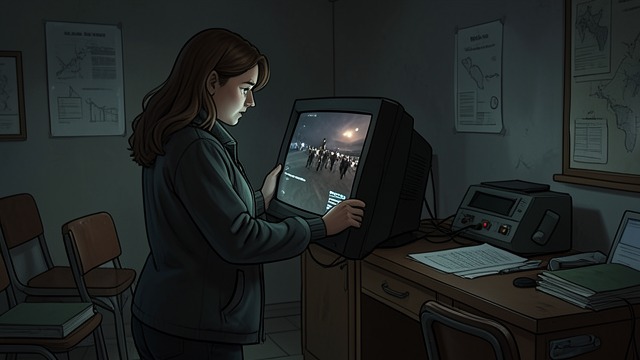
The Promise of More
Different versions of success
Sara imagines television recognition, Harry and Tyrone expect money and leisure, and Marion hopes to build a creative life. Their goals resemble familiar promises of improved status and security.
Desire is not the whole problem
The characters’ wishes begin in loneliness, insecurity, and frustrated talent. The danger emerges as they confuse external achievement with the deeper fulfillment they seek.
The Business as Escape
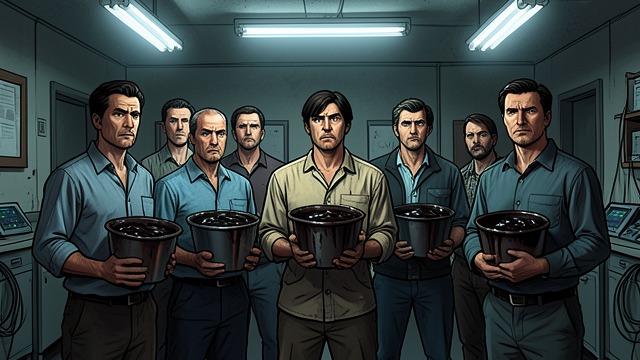
The Business as Escape
Wealth imagined as freedom
The partners picture a large heroin operation as a way to leave street life behind. They treat accumulating money as a bridge to legitimate business and leisure.
Getting becomes the goal
Their plan relies on the same trade that increasingly confines them. The dream of freedom is pursued through a practice that makes them less free.
The Television as Status

The Television as Status
Recognition imagined
Sara believes appearing on television will make her a person others notice. She pictures prizes and applause as evidence that her life has acquired public value.
External validation sought
Her desire to be seen is understandable, but the show becomes a substitute for relationships and purpose. The promise of recognition cannot repair the loneliness that drives it.
Possessions Lose Meaning
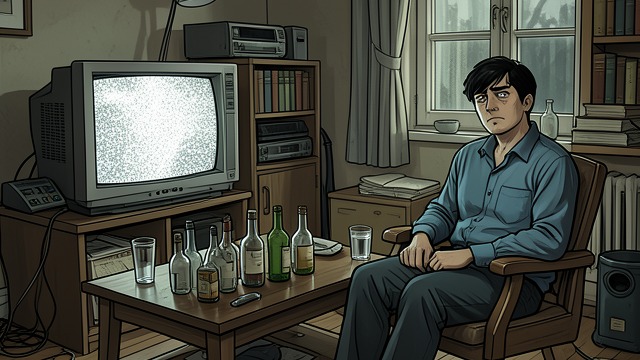
Possessions Lose Meaning
The promised future recedes
The café, the travel, the new life, and the television appearance all become less attainable as substances dictate behavior. Money and objects no longer provide the security the characters expected.
The cost becomes visible
The pursuit of more has consumed attention, health, and intimacy. The characters retain the language of future success even as their present lives deteriorate.
Life Without the Vision
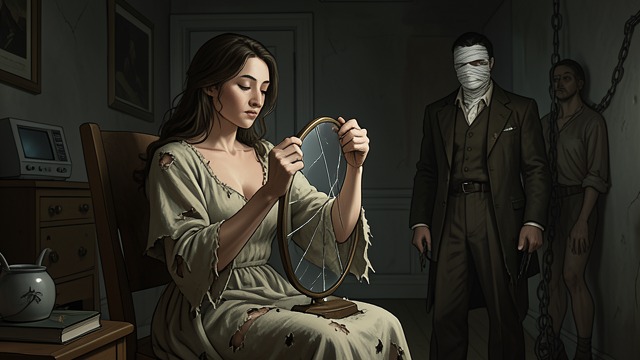
Life Without the Vision
External dreams collapse
Sara is confined, Harry is mutilated, Tyrone is imprisoned, and Marion’s creative future has faded. None reaches the life promised by the object or status once pursued.
The novel’s judgment
The wreckage distinguishes inward vision from external illusion: gaining things cannot by itself nourish a life. The losses expose how the pursuit has displaced the relationships and capacities that mattered.
In the characters’ early hopes
During Harry and Tyrone’s first profitable period
After Sara receives the invitation
As addiction disrupts the characters’ plans
Near the ending
